
UAE and Microsoft Launch Nationwide AI Coding Initiative: A New Era of Software Development
Artificial intelligence continues to transform the technology industry, making tasks that once required years of technical experience increasingly accessible. In a major development, the United Arab Emirates (UAE), in collaboration with Microsoft, has launched a nationwide initiative called UAE Vibe Codes, designed to help people create websites and digital applications using artificial intelligence without needing previous programming experience.
The initiative was officially launched on October 29, 2026, as part of UAE Codes Day, under the theme "Vibe Coding". It attracted approximately 5,000 participants within its first hour, demonstrating the growing interest in AI-powered software development.
What Is Vibe Coding?
Vibe Coding is a new approach to software development that allows people to describe their ideas in ordinary language while artificial intelligence helps transform those descriptions into digital products.
Instead of manually writing complicated lines of programming code, users can explain what they want to build. AI-powered tools then assist in generating the code and creating an initial version of the application or website.
For example, someone could describe an application for organising daily activities, and AI tools could help turn that idea into a working prototype.
This approach makes software development more accessible to students, entrepreneurs, business owners and people with little or no coding experience.
How the UAE and Microsoft Initiative Works
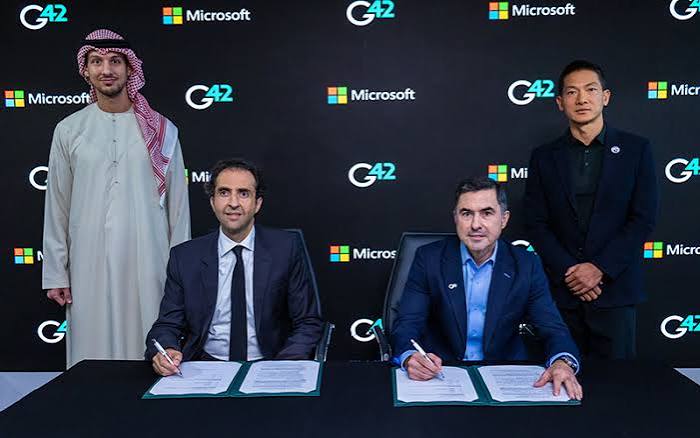
The UAE Vibe Codes initiative was developed through collaboration between the UAE Artificial Intelligence Office and Microsoft.
The programme allows participants to experiment with AI-powered tools to turn their ideas into websites and digital applications.
Participants simply describe their ideas using natural language, and the AI tools help transform those descriptions into digital prototypes that can be tested, improved and developed further.
The initiative is also supported by practical workshops involving technology organisations such as Google, IBM and Siemens.
Why This Development Matters
The launch of UAE Vibe Codes represents an important step towards making technology more accessible.
Some of its potential benefits include:
1. Encouraging Creativity: People can explore their ideas and turn them into digital projects without needing extensive programming knowledge.
2. Supporting Students: Students can experiment with technology and develop practical digital skills.
3. Helping Entrepreneurs: Small business owners can explore digital solutions for their businesses.
4. Making Coding More Accessible: AI tools can help reduce some of the technical barriers associated with traditional programming.
5. Promoting Innovation: More people can participate in developing solutions to everyday challenges.
The Future of AI-Powered Coding
The development of AI-powered coding tools raises interesting possibilities for the future of software development.
As these technologies improve, people may be able to create websites, applications and other digital products more easily.
However, AI-generated code still needs human review and testing. Developers must ensure that applications are secure, reliable and perform as expected.
Rather than completely replacing programmers, AI could become an important tool that helps developers work more efficiently while allowing beginners to explore software creation
The UAE and Microsoft's UAE Vibe Codes initiative demonstrates how artificial intelligence is changing the way people approach programming and digital innovation.
By making it easier to transform ideas into digital prototypes, the initiative opens new opportunities for students, entrepreneurs and creative individuals.
The future of software development may not depend only on how well someone can write code, but also on how effectively they can communicate ideas, solve problems and use AI tools.
One thing is becoming increasingly clear: artificial intelligence is making the world of technology more accessible, and the next generation of innovators may come from anywhere.